
Why Men Hit a Weight-Loss Plateau After 40

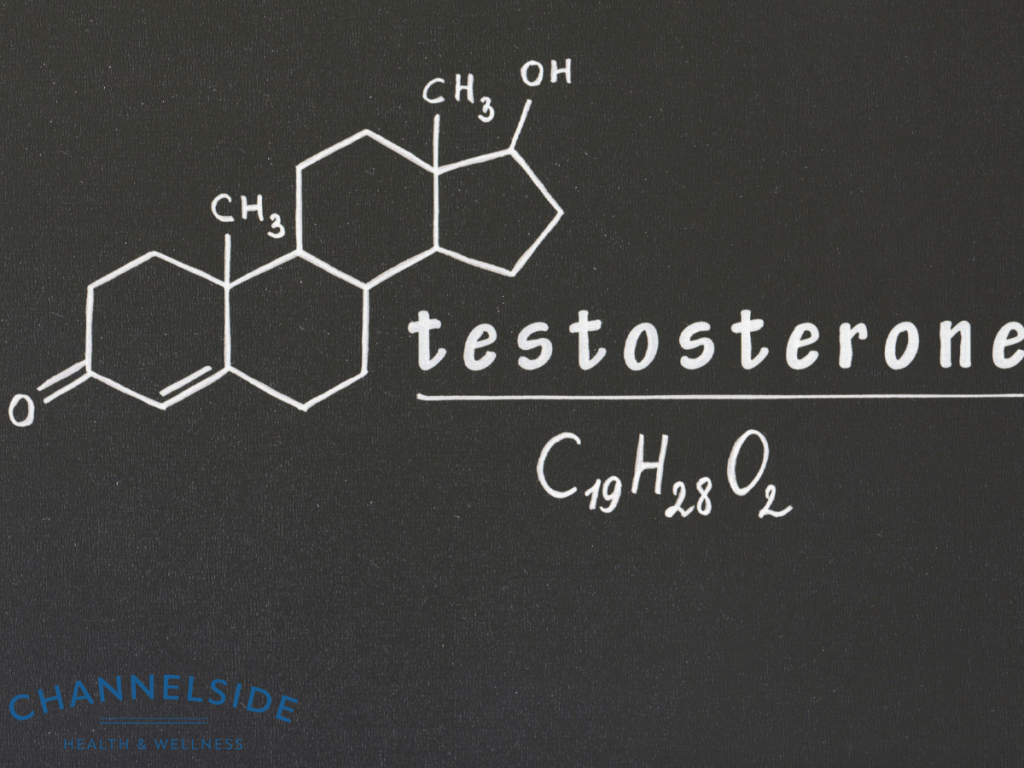
Testosterone loss over 40

A weight-loss plateau after 40 usually isn’t about a broken metabolism. Research shows metabolic rate stays remarkably stable from your 20s through your 50s. What changes is muscle mass and how your body adapts to losing weight in the first place. Channelside Health and Wellness sees Tampa men blame their metabolism for something else.

Your Metabolism Probably Isn't Slowing Down

This one surprises most guys. A 2021 study published in Science, measuring energy expenditure in over 6,400 people across 29 countries, found that metabolic rate, adjusted for body size, holds remarkably steady from age 20 to 60. It doesn’t meaningfully decline again until after 60. If your metabolism isn’t the culprit, something else has to explain why the same diet and workout that worked at 30 stalls out at 45.

Muscle Is Quietly Leaving the Room

Starting around age 30, muscle mass declines by about 3% to 5% every decade, according to the NIH, and that process doesn’t announce itself. Less muscle means less metabolically active tissue, so your body burns fewer calories at rest than it used to, even though the underlying “rate” per pound of muscle hasn’t changed. It’s a quiet math problem, not a mechanical failure.

Testosterone's Role Is More Complicated Than It Sounds

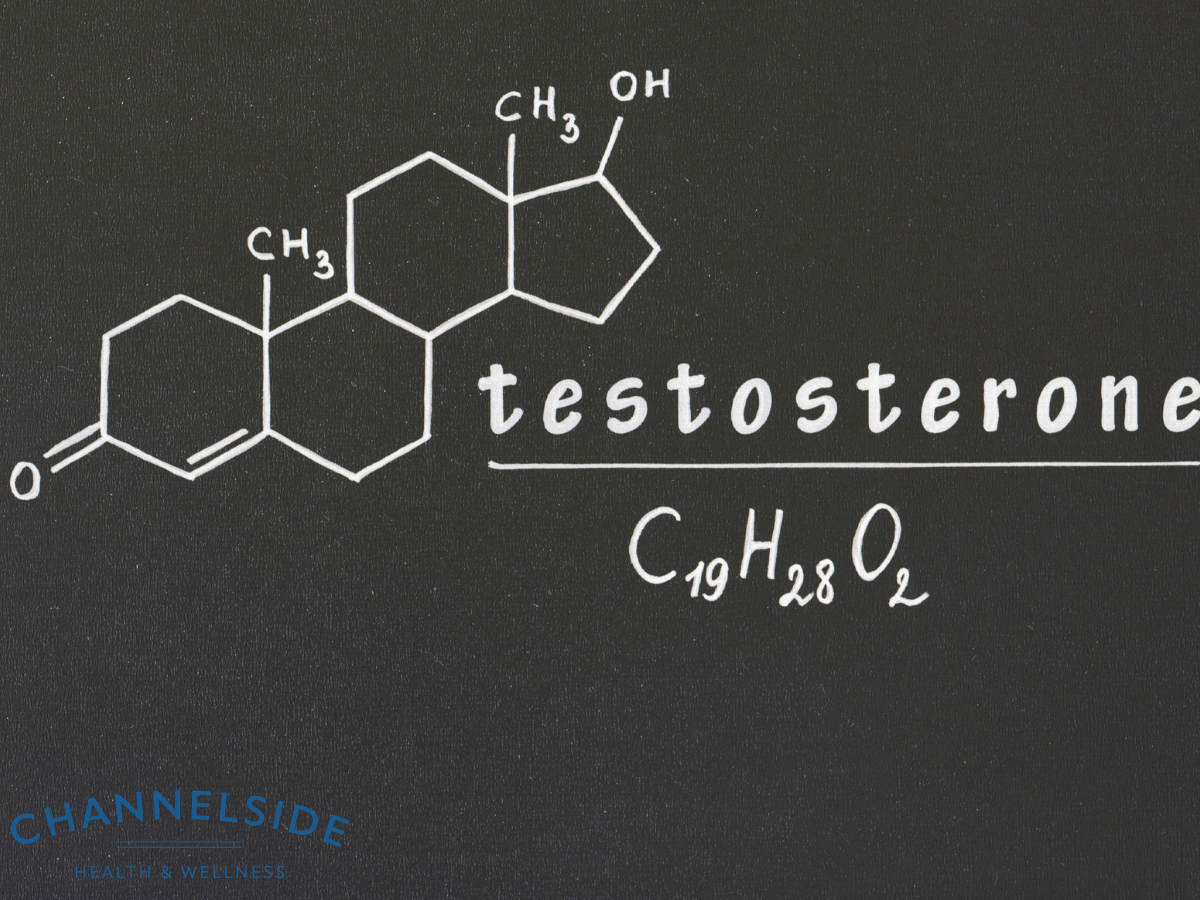
Muscle isn’t the only biological factor at play. Some longitudinal research puts the testosterone decline at roughly 1% to 1.6% per year with age. But a large analysis of the Baltimore Longitudinal Study of Aging found that once you adjust for conditions like obesity, diabetes, and heart disease, age itself doesn’t significantly predict the decline. Obesity and metabolic health seem to explain a lot more of the picture than birthdays do. Low testosterone and weight gain likely feed each other in both directions, rather than one simply causing the other.

The Plateau Itself Is Partly Your Body Doing Its Job

Even outside of aging, your body pushes back against weight loss. A well-known NIH-funded study followed contestants from a televised weight-loss competition and found resting metabolic rate dropped by more than expected from body composition changes alone, and stayed suppressed years later. That case was extreme, but the underlying phenomenon, often called adaptive thermogenesis, shows up in ordinary weight loss too. Combine that with muscle loss after 40, and a plateau starts to make a lot more sense.


What’s Really Behind the Plateau

What It Does

Muscle loss (about 3-5% per decade after 30)

Lowers the calories your body burns at rest

Metabolic adaptation to weight loss itself

Slows RMR beyond what weight change alone predicts

Testosterone and metabolic health

Feed into each other, not a simple one-way cause

Lifestyle drift (activity, sleep, stress)

Often changes quietly without anyone noticing

When a Plateau Is Worth a Real Evaluation

Male weight loss
Have you hit a weight loss plateau?

That lifestyle-drift factor in the table above often has a local flavor to it. A lot of men in Tampa spend half the year avoiding outdoor workouts because of the heat, and that alone can chip away at activity levels without anyone connecting the dots. If your weight has been stuck for months despite real effort, it’s worth ruling out testosterone, thyroid function, and other treatable factors instead of just assuming it’s “getting older.” At Channelside Health and Wellness, a licensed PA looks at your actual labs and history, not just your age, before deciding what’s really going on.

Ready to Find Out What's Behind Your Plateau?

You didn’t lose your discipline. Something in the math changed. Book a consultation with Channelside Health and Wellness in Tampa, and get real answers about what’s going on in your body.

This article is for educational purposes only and isn’t a substitute for individualized medical advice. Talk with a licensed provider before starting or changing any treatment.

Related Posts

Latest news & articles